
A Sermon given at St Cybi’s Holyhead on 2 August 2014
Dan ni yma heddiw i cofio:
I confess until this year to knowing very little about the First World War, the Great War, the War to end all wars. At school, we looked in detail at the Second World War and its aftermath. At University too, I grappled with theologians and thinkers who were responding to later conflicts.
My knowledge of the First World War was scanty based on a BBC TV comedy Blackadder, which in the midst of the laughter pointed to the courage, bravery and futility of some of what went on and upon the story of the Christmas Truce when British and German soldiers ventured into no man’s land together, pointing to us that within heat of battle, common and shared humanity was there.
I am part of a generation whose parents were too young – just – to serve in the Second World War. As son of the steel city, I do remember the sinking of our ship in the South Atlantic in 1982, and war for me for the first time entered into real life.
As I have discovered more about the Great War. I find myself being stilled. The stories of the Somme, the trenches, stench and mud have caused my imagination to be stirred and questions to be the created. Bill Mitton, the soldier-poet encapsulates this well.
I stood there before the crosses
glowing white in row on row
Everyone a young life cut short
as the names upon them show.
The dates they died below the names
tell of wars now passed and gone
Passchendaele, the Somme, and Mons
of battles fought, and lost or won.
History remembers, as it should
these men who fought and died
Whilst for their families left behind
a dull sorrow tinged with pride.
The faces of boys held now in Sepia
who died in days long gone
yet living on in memories
and hearts, still holding on.
Yet despite the hurt and grief here
what with horror makes me fill
Is that when I look behind me
there are more new crosses growing still.
For as we remember the First World War, we cannot but have the brutality of ancient and current conflicts at the forefront of our minds.
In the midst of conflicts, there has always been the God-person, the Padre. One writing home in 1914 penned these words:
I can go where I like; I go to see the wounded when being brought back from the front, and to see if I am needed when gunners have been shelled. If necessary, I am ready to go to the firing line, but I should only be in the way in the daytime. I see the sick who come in daily and are sent off by the ambulances to a hospital down country.
My first two Sundays I had no services. My third Sunday I had one in a farmyard lasting 20 minutes; and we had to march almost directly after. My fourth Sunday I crossed a river into the danger zone and held a service (without a surplice) for two companies, who were sleeping in bivouacs of straw in a wood in inches of water, surrounded by pools of mud up to 1ft. deep! I then went on to another wood to some more troops, and began a service, but a deluge stopped it, and I had to cancel a third owing to rain. We generally fight or march on Sundays!
War through all things up into the air: all were touched by its tentacles.
Those who served
– as soldiers, sailors and airmen
– as medics, nurses, padres, ambulance drivers
– in munitions factories
– on the farm
Those left behind
– wives, parents, friends, the aged, infirm
And, as importantly, those who objected, yet served.
Holyhead itself was decimated by the conflict and cared for many of those who were injured including at Stanley Sailor’s Hospital
We are here to remember.
We are here to commit ourselves to change
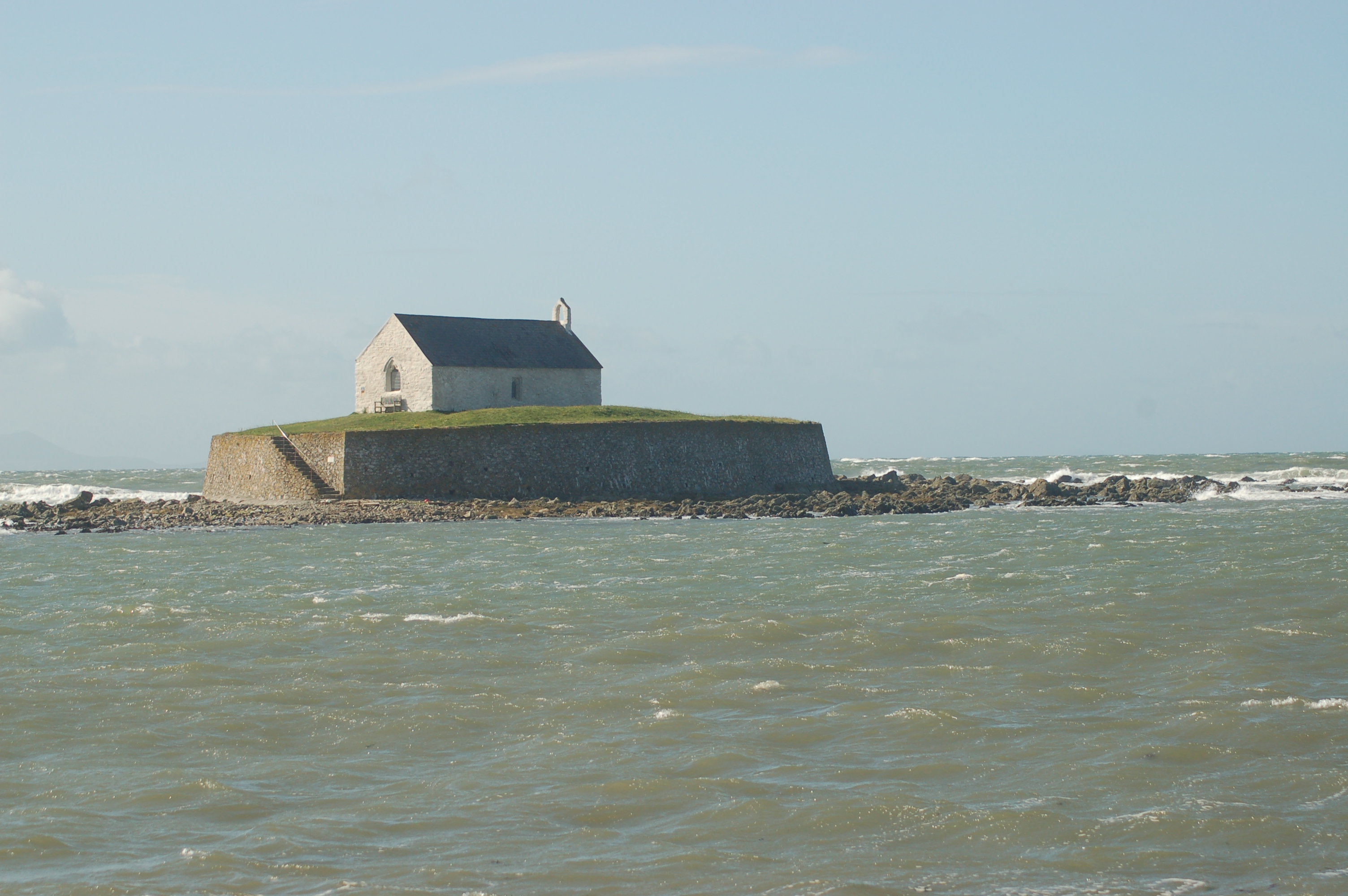
In this ancient holy place whose walls have seen more than enough bloodshed; we are here to offer to God our hopes and desires for a better world.
A Poet once said: History repeats itself. It has to. No one listens.
In this holy place whose walls have heard more than enough sermons urging a commitment to peace, we remember that the God who calls us to follow comforted the broken hearted, challenged the powerful and offered blessing to any who would work for peace.